-
Solutions
- AI Governance
- Geo-Specific Cookie Banner
- Consumer Preference Management
- Data Subject Request Automation
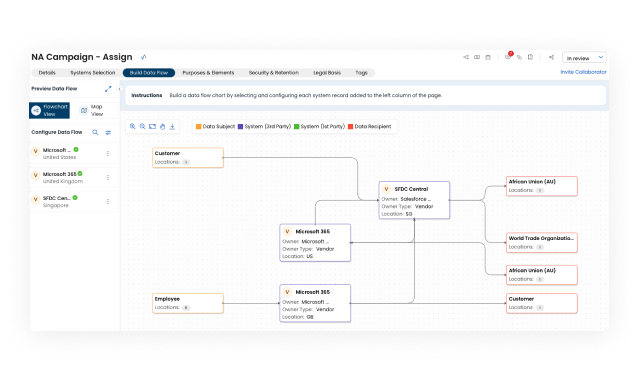
- Data Mapping and Vendor Risk Management
- Privacy, Vendor, and Risk Assessments
- Privacy Program Management
- Regulatory Guidance
- Privacy Program Consulting
- Certifications and Verifications
- International Data Transfers
Forrester TEI ROI of Privacy ReportTrustArc commissioned a Forrester study to analyze the potential benefits of using our platform and the Forrester team found ROI linked to efficiency, compliance, and decreased cost in data breaches.
Read the report -
Products Products Consent & Consumer Rights Overview
Experience automated privacy solutions that simplify compliance, minimize risk, and enhance customer trust across your digital landscape.
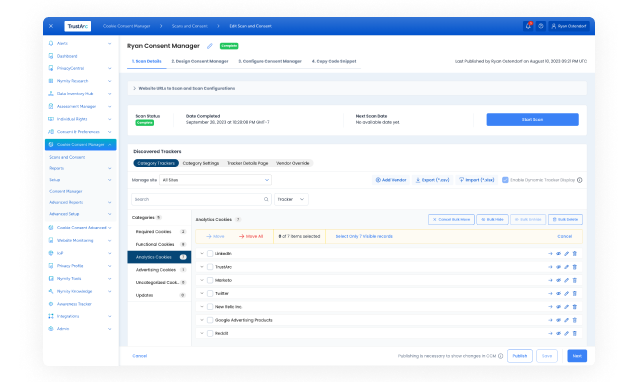
- Cookie Consent Manager Effortlessly manage cookie consent for global compliance, ensuring a secure, personalized browsing experience.
- Consent & Preference Manager Easily manage customer consent across brands and platforms—email, mobile, advertising—with a centralized repository.
- Individual Rights Manager Automate and streamline DSR workflows to ensure compliance and show your commitment to customer rights.
Products Privacy & Data Governance OverviewSimplify privacy management. Stay ahead of regulations. Ensure data governance with cutting-edge solutions.
- PrivacyCentral Centralize privacy tasks, automate your program, and seamlessly align with laws and regulations.
- Data Inventory Hub and Risk Profile Gain full visibility and control of your data and accurately identify and mitigate risks.
- Assessment Manager Automate and score privacy assessments like PIAs and AI Risk, streamlining your compliance workflow.
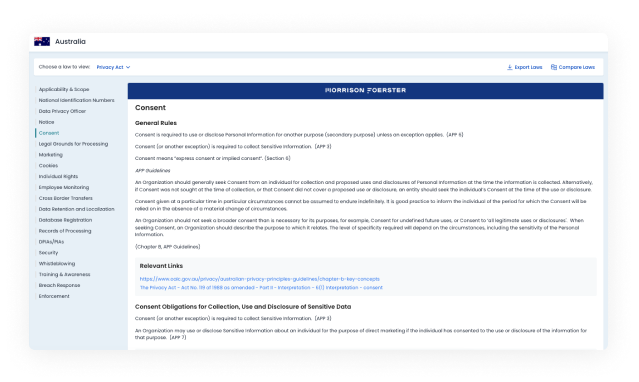
- Nymity Research Get instant access to the latest in privacy regulations, legal summaries, and operational templates.
Products Assurance & Certifications OverviewBoost brand trust with TRUSTe's certifications, showing your privacy commitment with the most recognizable seal, assessed by unbiased experts.
- Dispute Resolution
- TRUSTe Enterprise Privacy Certification
- TRUSTe EDAA Privacy Certification
- TRUSTe APEC CBPR and PRP Certification
- TRUSTe Data Collection Certification
- CCPA/CPRA Validation
- Data Privacy Framework Verification
- GDPR Validation
- Digital Advertising Alliance Validation
- Responsible AI Certification
-
Regulations
- EU General Data Protection Regulation (GDPR)
- California Consumer Privacy Act (CCPA)
- Virginia Consumer Data Protection Act (CDPA)
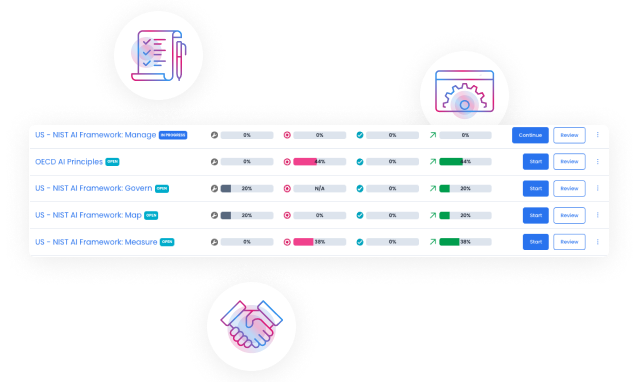
- NIST AI Framework
- ISO/IEC 27001
Data Privacy Framework (DPF)Transatlantic data transfer mechanism for EU-U.S., UK, and Swiss-U.S. commerce.
Learn more - Resources
- Contact us